
Weekly Log 26W23: 🤖🚫 Banned by Revolut robot, Aviation Surges, Tech Snippets
From Revolut's rigid algorithms and Champions League airspace surge to Hollywood's AI stance and homelab updates including some Tech Snippets abour carplay screenshot and
I was busy in the past weeks, so I collected some topics into this longer format.
Let’s begin.
Computer Says No: Banned by an Algorithm, Ignored by Revolut Support 💻❌
The Trigger: A Simple Account Update
The ordeal began when my account was migrated to the new local Hungarian branch. As part of this, Revolut asked me to verify the ownership of my long-standing registered bank cards.
To comply, I chose the default “camera verification” method for the first card. The system failed it incorrectly, and instantly, the card was permanently removed from my account. What I didn’t know, this verification can be run only one time, and the result is final.
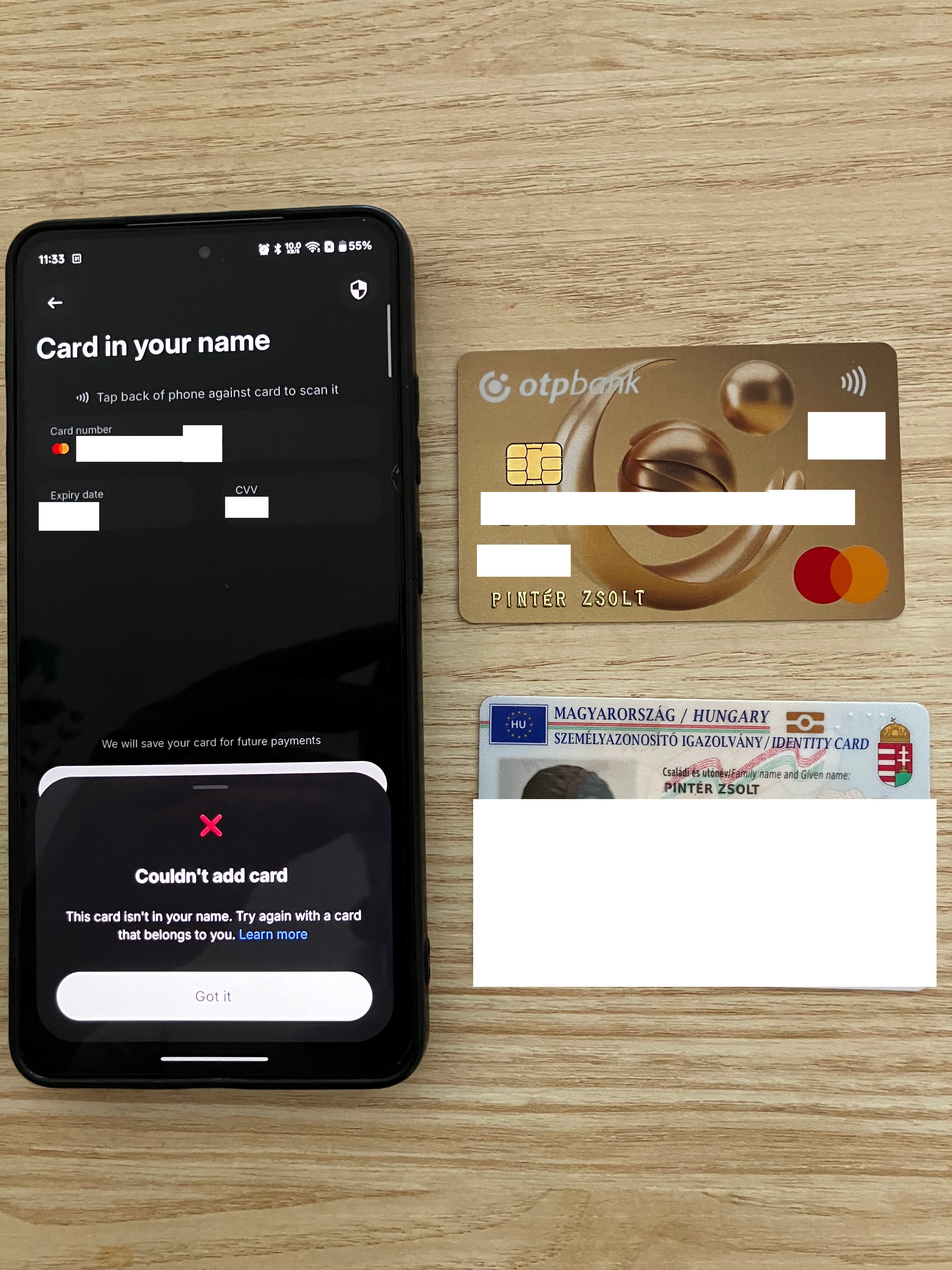
The “É” Factor —> but not because of this
When I reached out to support, they suggested updating my name. Revolut’s system automatically pulled the data from my ID card, changing my registered last name from “Pinter” to “Pintér.” Back when I registered in about 2019, their system didn’t accept special characters, so “Pinter” was the only option. Also, I have to highlight that Revolut fills out the name from ID card, it is not possible to manually input or edit…
With my name officially updated to match my ID perfectly, I tried the camera verification on my second card. The result? Another instant failure and another permanent ban on the 2nd card.
The Absurdity of “Zero Human Override”
Realizing the camera algorithm was flawed, I asked support what to do for my final card. They advised me to use the manual “bank statement” verification method. I uploaded the PDF, and my 3rd card passed without a hitch.
Logically, I offered to upload the exact same bank statements for the two disabled cards. Every card is issued by the same bank, bears the exact same name, and perfectly matches my ID.
Revolut’s response? A hard no.
After escalating the issue to a formal complaint, I received their “Final Response,” which contained a shocking admission. Their compliance analyst confirmed that their system will fail a verification over a slight difference like “special characters.” Furthermore, they stated that once a camera verification fails, the security system flags the card, and the block is permanent. No manual override is allowed. A bank statement, video, or ID photo will not change the system status.
They didn’t talk about that they are fillingout my name in the app from my ID card…
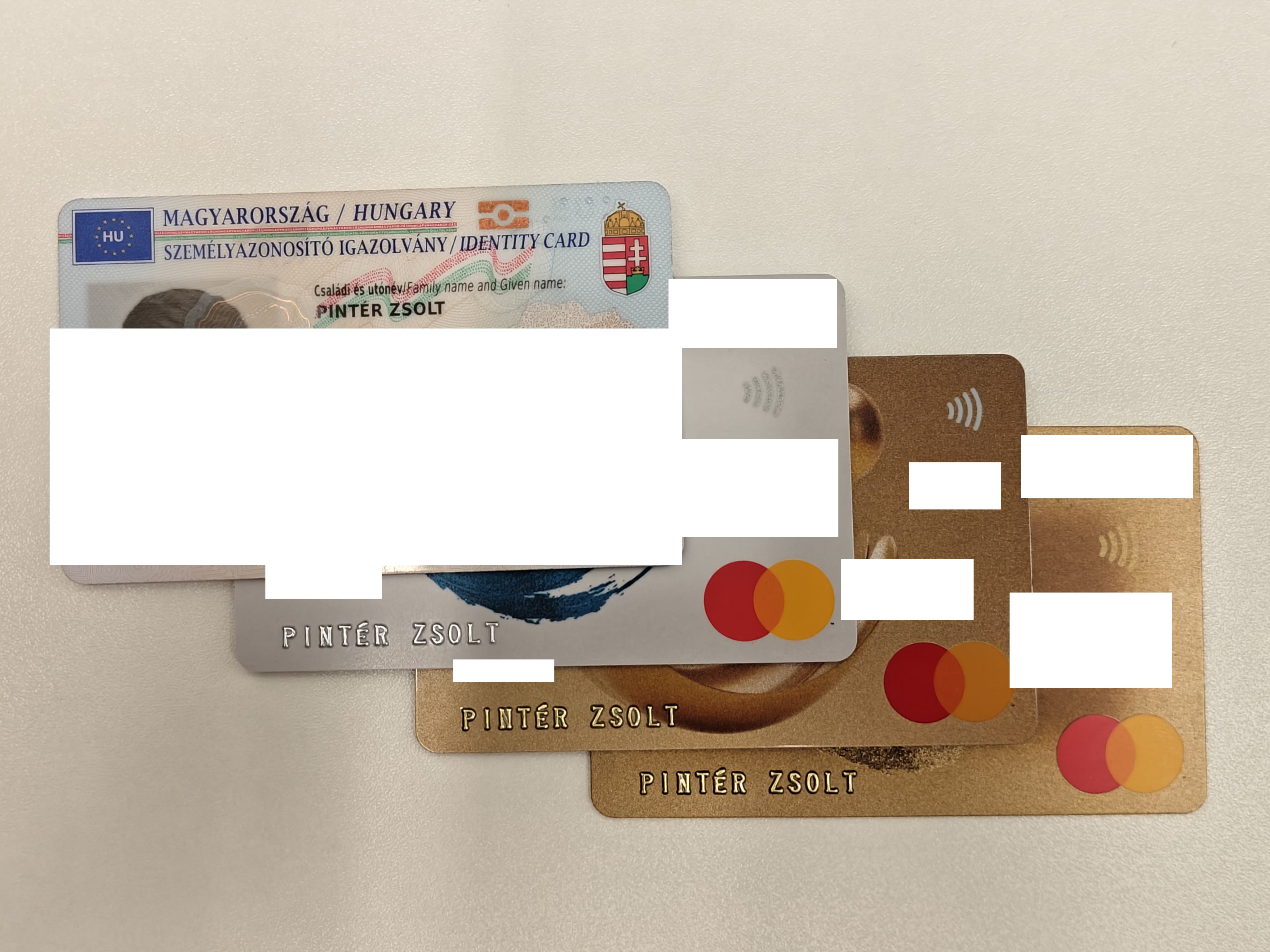
The Takeaway
It is still unclear why Revolut’s automated system locked me out of using my own valid financial tools. Worse, they explicitly admitted that their policy prevents human agents from fixing an obvious algorithmic error with perfectly valid, state-backed documentation.
I am now escalating my case to the Hungarian Financial Arbitration Board (PBT) and the National Bank of Hungary (MNB). But my experience serves as a cautionary tale: when a fintech company trusts its flawed code more than official legal documents, the customer is the one who pays the price.
I will update once I get feedback from PBT or MNB.
Have you ever been locked out of a service due to a rigid algorithm? Share your thoughts below!
Football Meets Aviation:
Tracking the Champions League Final on My ADS-B Receiver ⚽✈️📡
When a major sporting event comes to town, the impact is felt far beyond the stadium. Recently, Budapest had the honor of hosting the UEFA Champions League Final. While tens of thousands of fans were focused on the pitch, my eyes were glued to a different kind of screen: the dashboard of my ADS-B receiver
If you’re an aviation geek or a flight-tracking hobbyist like me, you know that major events mean one thing—a massive, unprecedented influx of air traffic.
Preparing for a Record-Breaking Weekend
In the days leading up to the final, local news outlets were already predicting absolute record traffic at Budapest Airport (BUD). The logistical challenge of flying in two massive fan bases, VIPs, teams, and sponsors all at once is staggering.
To handle the sheer volume of aircraft, the airport had to take some extreme measures. Terminal 1, which has been closed to regular passenger traffic for years, was specially reopened to handle the overflow. Even crazier? They actually had to shut down one of the airport’s two runways and convert it into a massive, temporary airplane parking lot just to fit all the charter jets!
Hearing this, I knew my ADS-B setup was in for a busy weekend. I made sure my antenna was secure, my Raspberry Pi was running smoothly, and my flight-tracking software was ready to capture the chaos.
The Data Speaks for Itself
As the weekend progressed, the skies above Budapest became a highly orchestrated swarm of metal. But the real magic happened in the data.
I decided to run a comparison on my receiver’s statistics, looking at the post-match mass exodus on Sunday versus a standard, quiet Tuesday. The results were incredible. I recorded a massive 50+% increase in tracked aircraft on Sunday compared to our usual baseline. Despite the heavy load and the constant stream of ADS-B messages flooding in from the crowded airspace, my little home station handled the surge perfectly with absolutely zero system downtime. It was incredibly satisfying to watch my system capture real-world history in real-time.
Take a look at the telemetry for yourself:
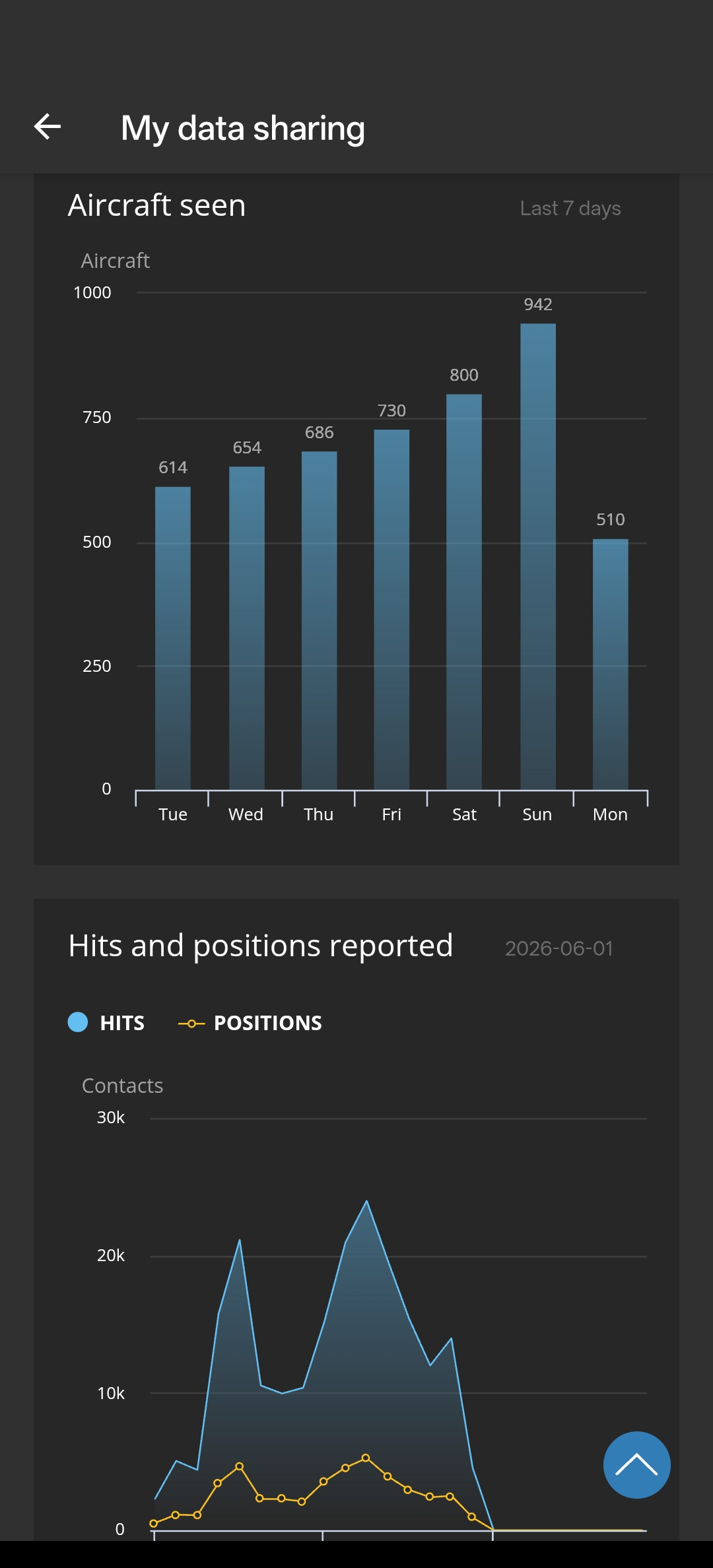
This is what a record-breaking day of air traffic looks like. It’s moments like this that remind me why I love this hobby. You don’t need to be in the control tower to feel the pulse of a city’s airspace. Sometimes, all it takes is a small antenna on your roof and a massive football match to bring the skies to life.
Do you run an ADS-B receiver? Did you catch any interesting charters or crazy traffic peaks during the finals? Let me know in the comments below!
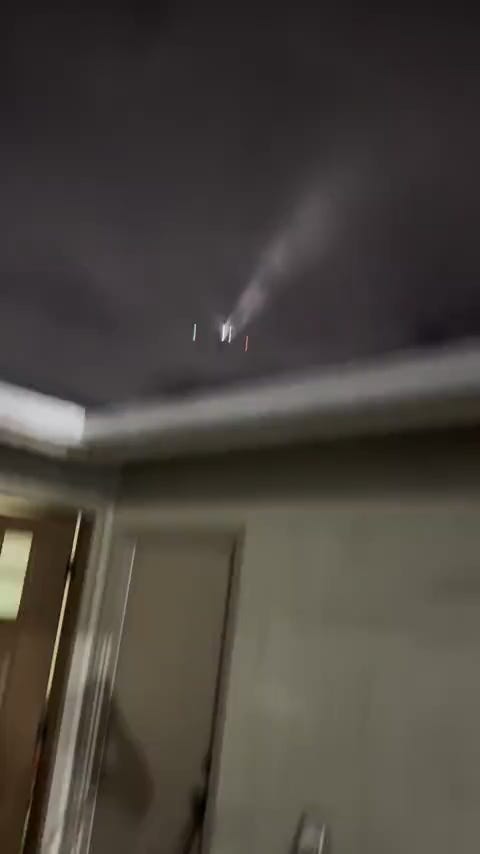
BTW: This guy is projecting aircraft traffic on the ceiling (!): 🤯
Video source: https://github.com/cpaczek/skylight
Hollywood and AI
I’ve always been that person who stays in the theater until the lights come all the way up. Long before superhero movies trained us to wait for a final five-second teaser, I was sitting through the scrolling text looking for easter eggs, bloopers, or just soaking in the post-movie atmosphere.
Sometimes, the payoff is incredibly personal. A few years ago, while watching the credits roll for Ridley Scott’s The Martian, I saw a familiar name jump out of the endless sea of text: Ákos was a good friend of mine from university, and there he was, credited for his work building the sets for the Martian base over in Hungary. It was a surreal and incredibly proud moment—proof that real people you actually know are the ones building these massive, immersive worlds.
Because of moments like that, I still read the credits all the way to the bottom. Past the best boys, the digital compositors, the catering crews, and the legal text.
If you’re a fellow credit-watcher, you know exactly how movies usually end. The very last thing on the screen is almost always the standard legal shield: “Any resemblance to real persons, living or dead, is purely coincidental.”
But if you’ve been paying attention to the 2026 releases, you might have noticed a brand new line quietly slipping in right beneath it. I saw it again just the other day:
“This movie cannot be used for AI training.”
It isn’t flashy, and there’s no post-credits music sting to highlight it. But seeing it there, cemented in the final frames of a major blockbuster, is a massive statement. Hollywood is officially drawing a line in the sand. One example:
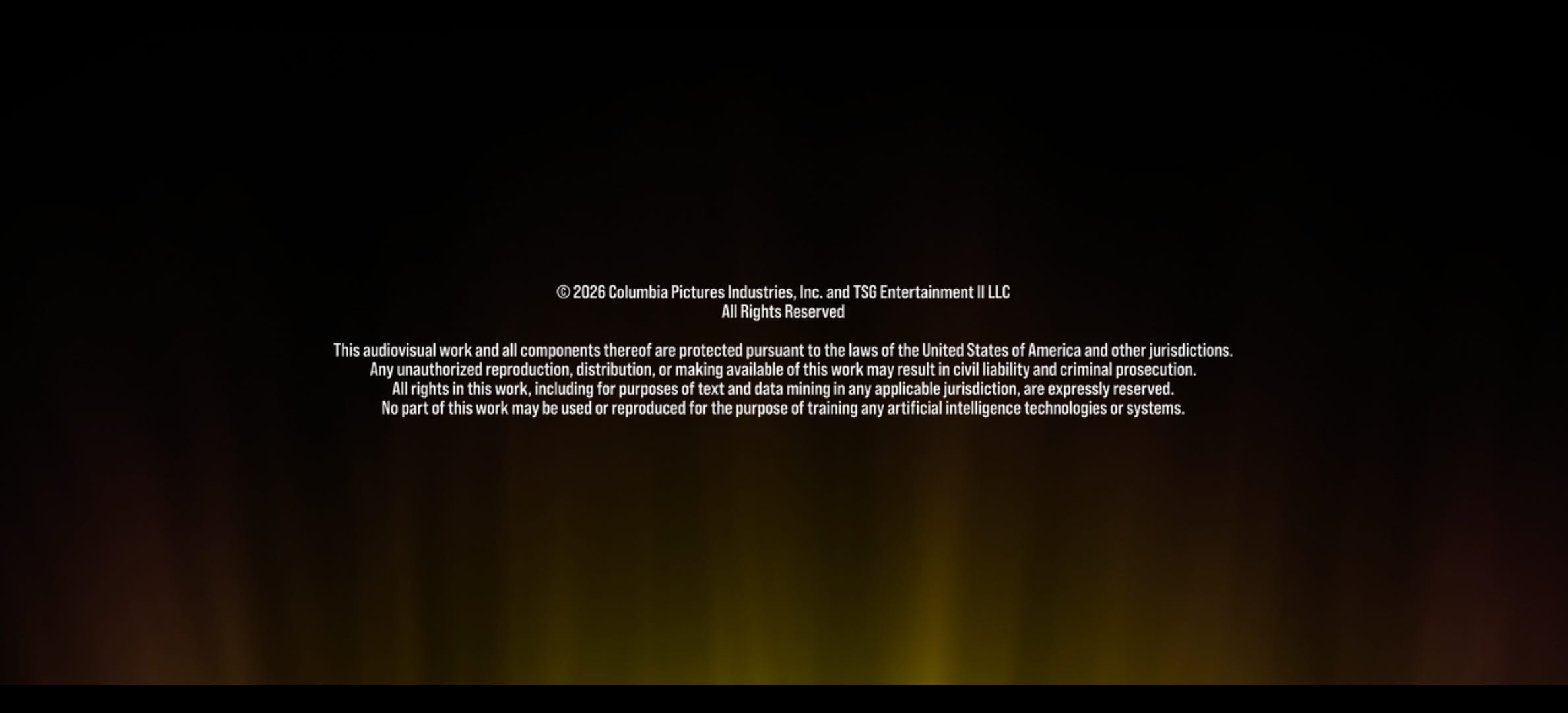
After years of debate, strikes, and anxiety over the future of art and automation, the industry is using the most traditional part of a movie—the credits—to lay down a modern boundary. It’s a reminder that behind every frame are thousands of people like my friend Ákos, and their work isn’t just data to be scraped.
Next time you go to the movies, stay a little longer. The best statement of the film might just be the very last sentence on the screen.
This post is getting too long, I need to short it down.
Coursera: Free, but costs €41 💸

CarPlay Screenshot 📱🚗
I was today years old when I learned how to take CarPlay screenhot.
Latest version of online Google maps showed me to turn torwards Lágymányosi bridge
What is intristing here, the bridge was officialy renamed to Rákóczi bridge in 2011 (!)
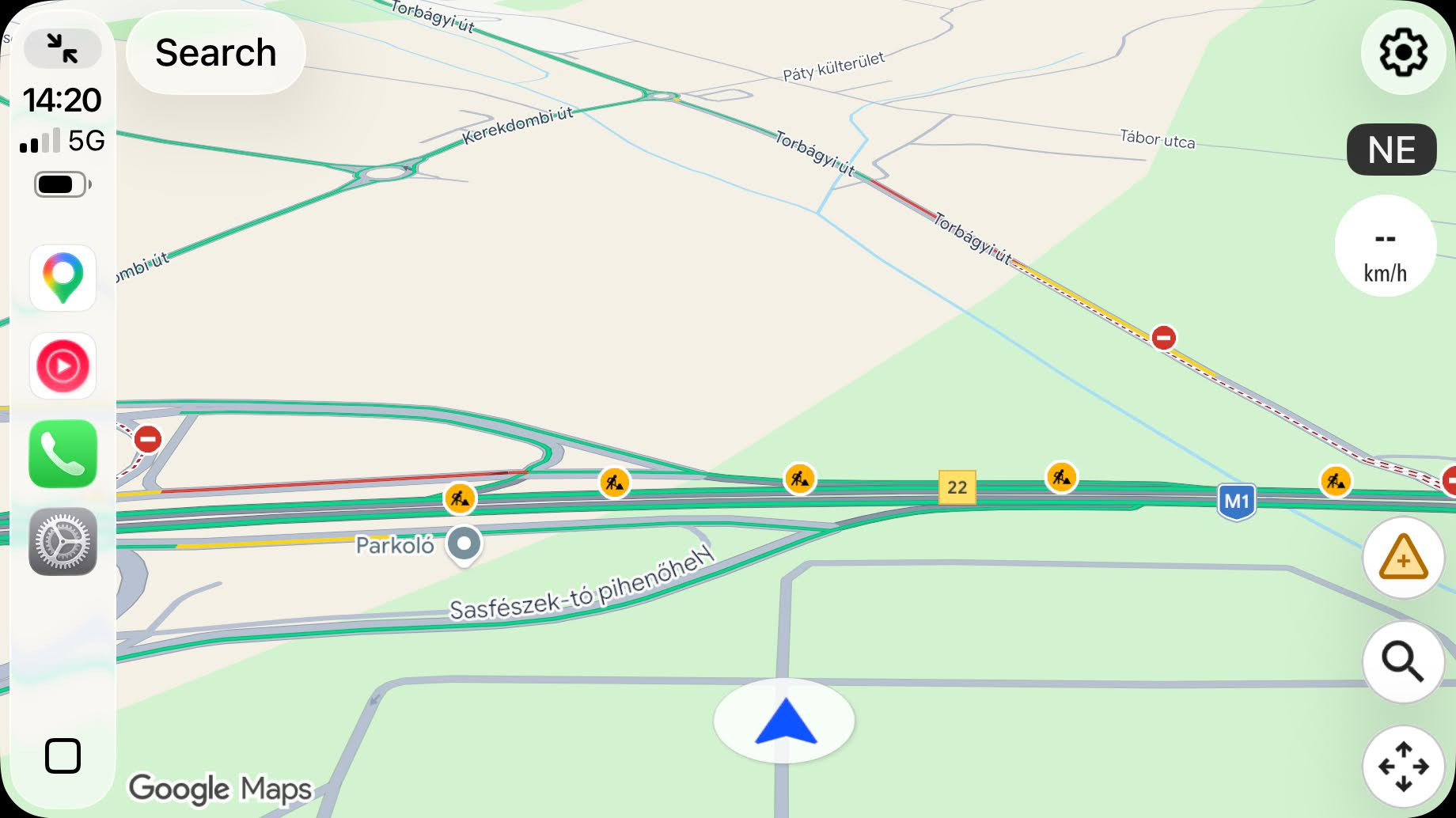
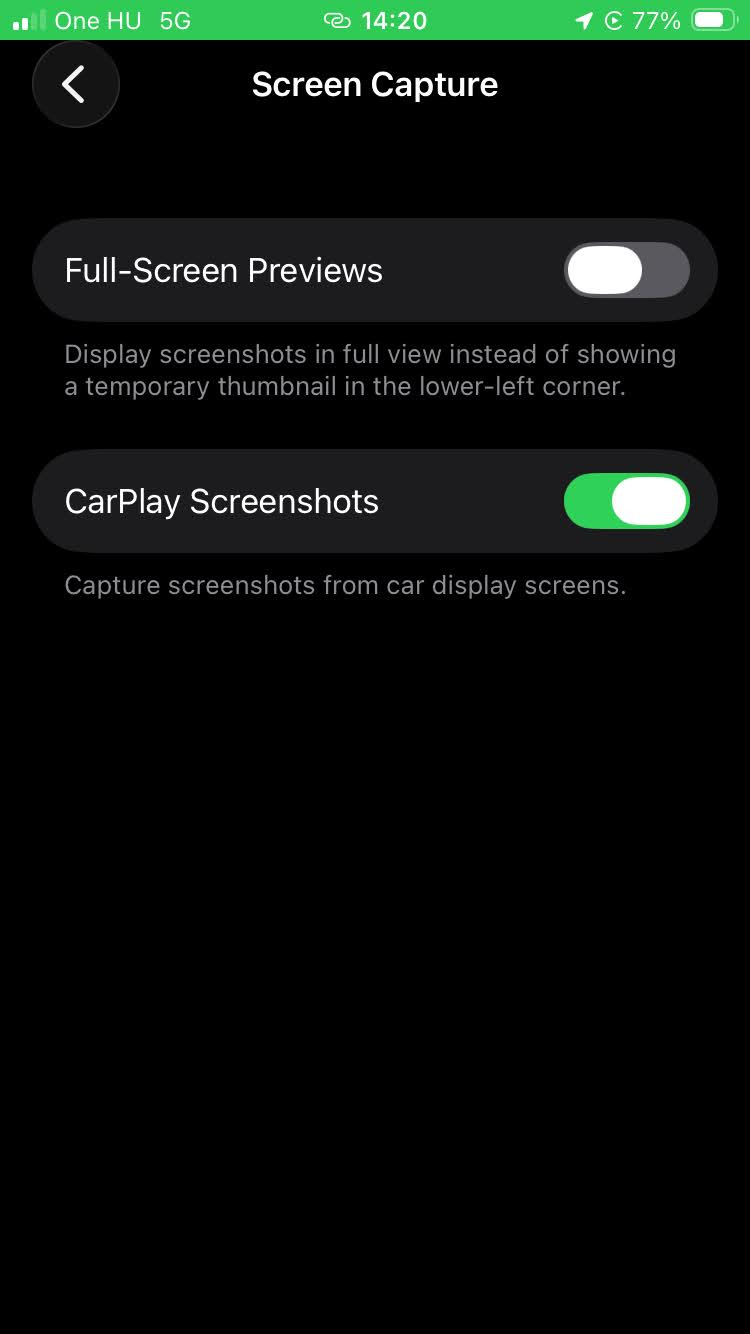
I wanted to take a screenshot, but after I could not following Gemini 3.1 Pro instructions I figured out that I need to enable Settings —> General —> Screen Capture —> CarPlay Screenshot. After this taking a screenshot will save 2 pictures:
Updating AdguardHome 🌐
I find it rare how simple is the AdguardHome update, doesn’t matter if it’s running on my Home Lab or on my Router
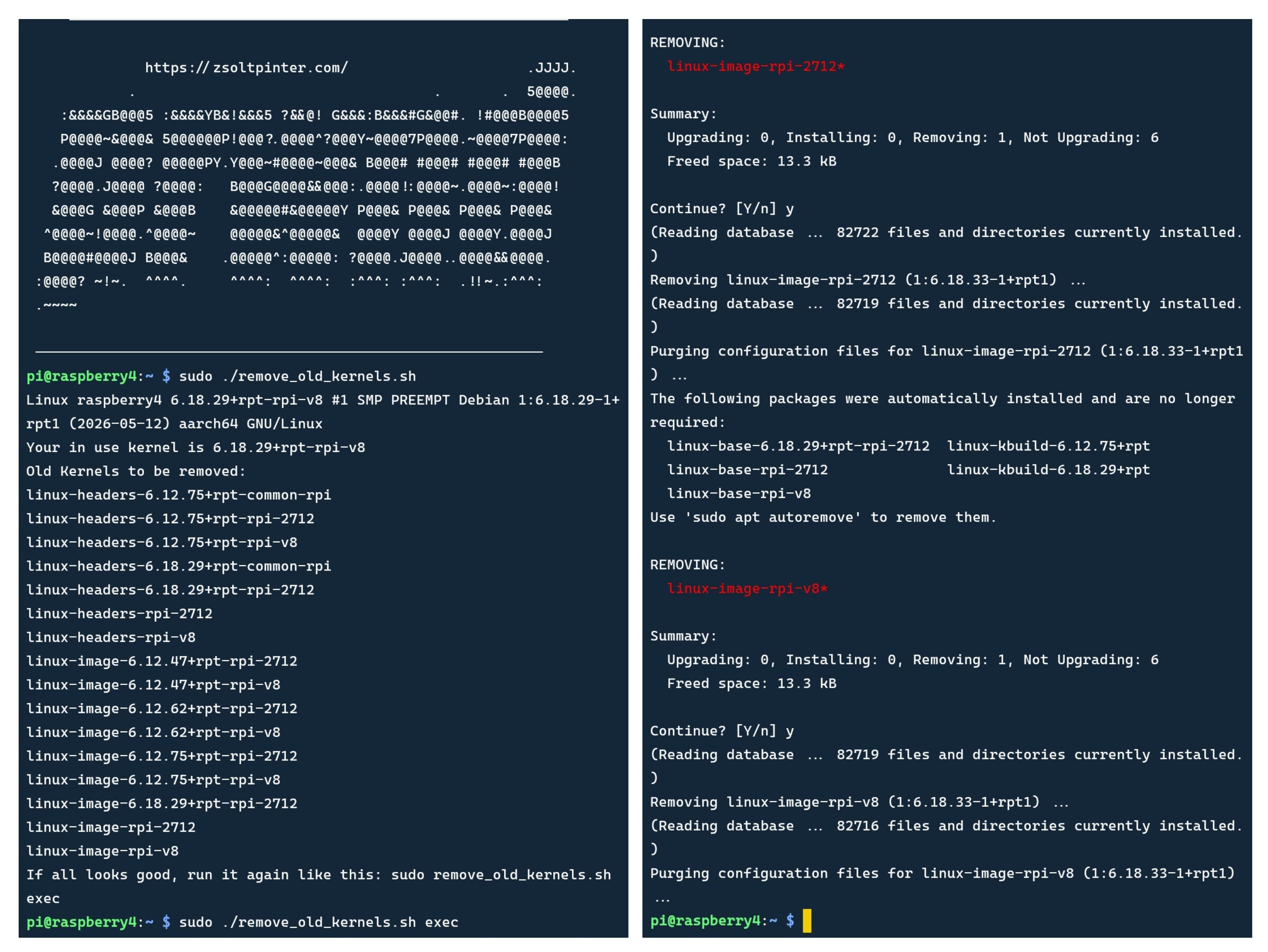
remove-old-kernels / remove-old-kernels.sh 🐧
This is how I remove old kernels after some time. It just works.
https://github.com/rubo77/remove-old-kernels/blob/main/remove-old-kernels.sh
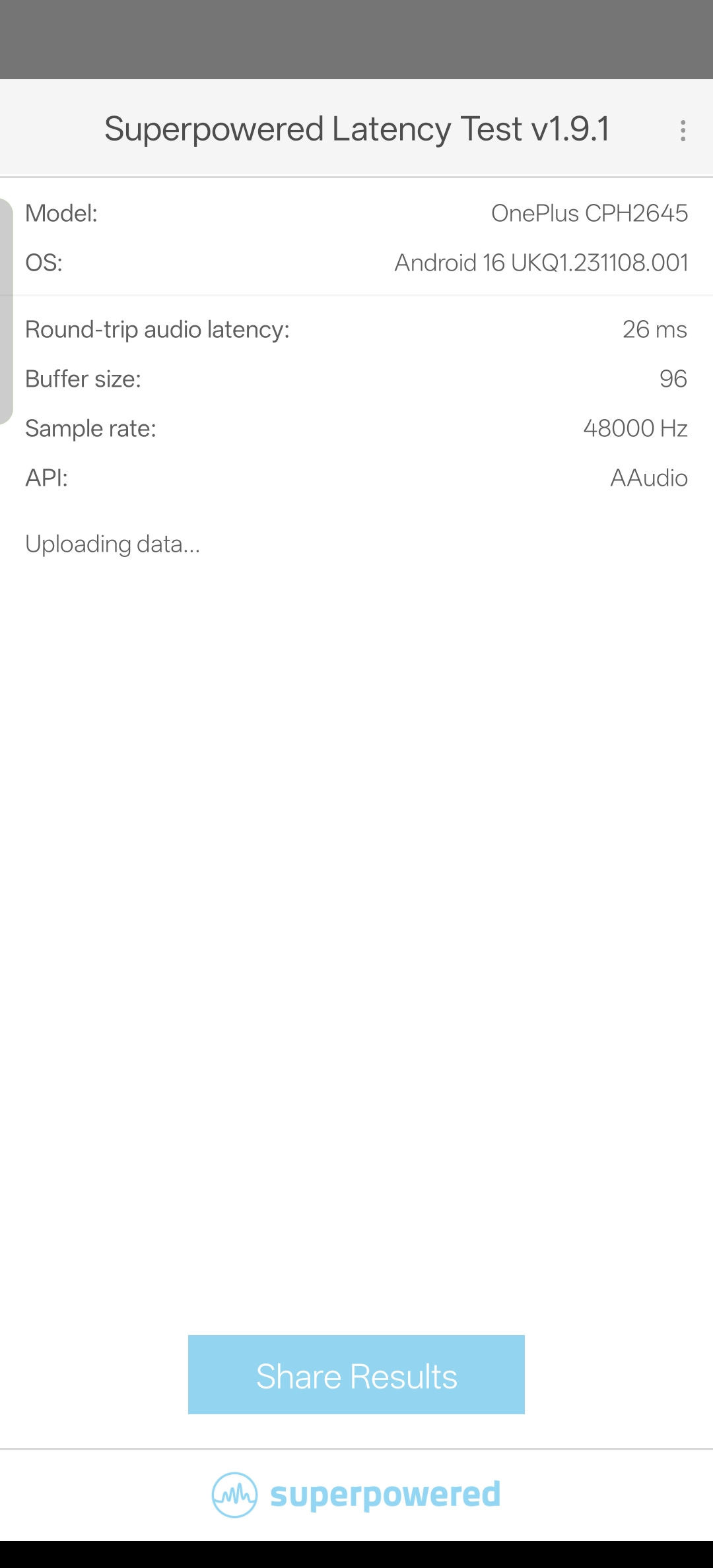
Android Audio Latency problem 🔊➜🎙️
I am following the topic since about 2015. While iphones always have about less then 10 ms result, Android was always in the 100+ ms range, sometimes even 200+ or 300+ ms: https://superpowered.com/latency
I ran a new test with my OnePlus 13R Android 16 (2026 May) with AAudio enabled.
I am not an expert, but this 26ms is still far from iphones.
Was this too long? I am experimenting with this format. See you next time!