
How I Sold Your Flight Data for a $499 Subscription
I Watch You Fly So I Don't Have to Pay: Operation Skywatch 📡✈️
I found a spare Raspberry Pi 1 gathering dust in a drawer. It is too old. It is too slow. It is practically obsolete. But instead of throwing it out, I decided to give it one last mission.
Mission Objective: Deploy a Flightradar24 feeder node.
The Asset: A decade-old Raspberry Pi 1 (Model B).
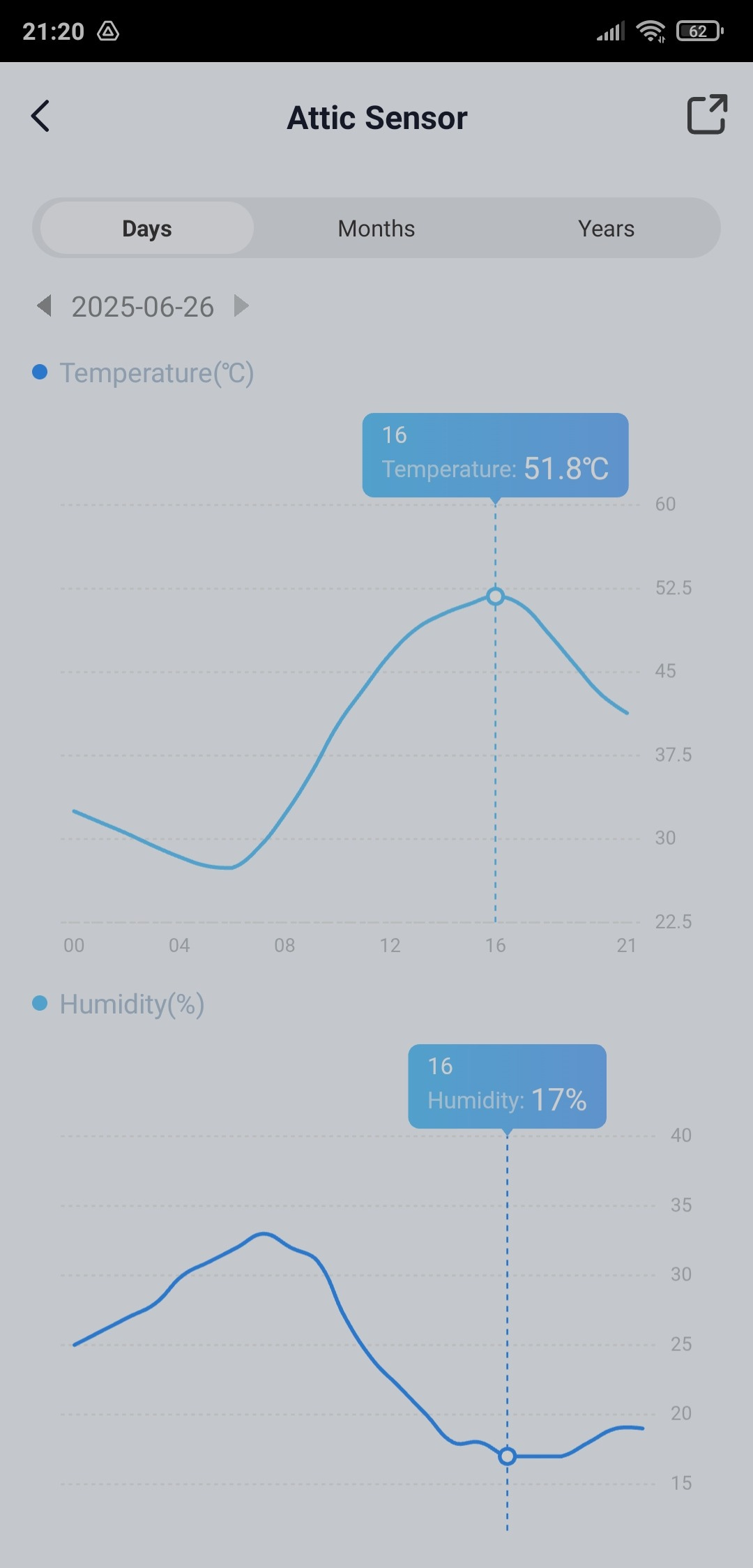
The Zone: An uninsulated, foil-lined attic. A hostile environment of extreme heat, dust, and zero radio visibility. I measured this in summer:
🏗 Phase 1: Building Life Support (Infrastructure)
Before I could even think about software, I had to establish a beachhead. My attic isn’t a room; it’s a torture chamber for electronics. In summer, it hits 50+ °C. In winter, it drips condensation. Dust covers everything like snow.
I couldn’t just run an extension cord and hope for the best.
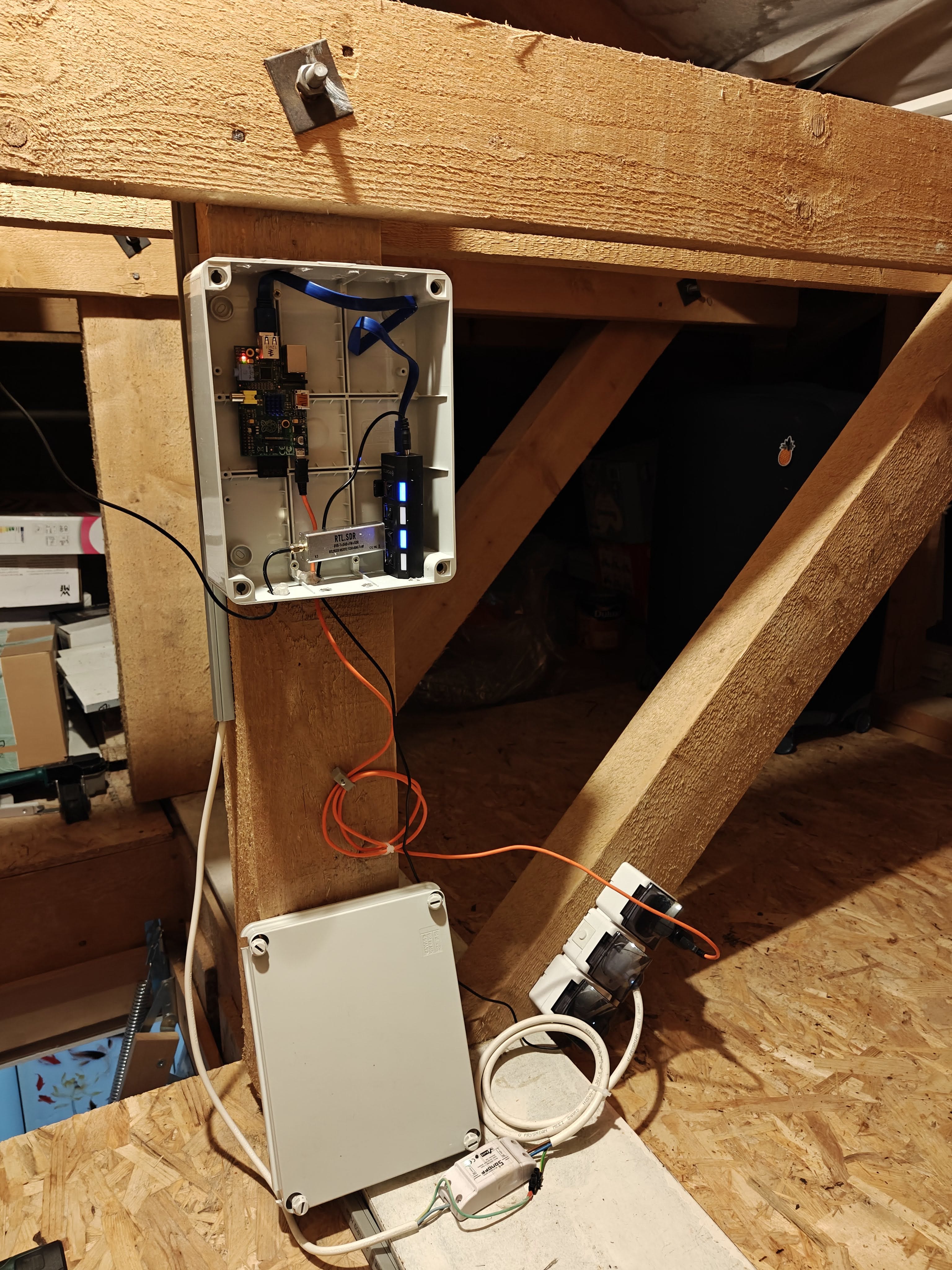
The Power Grid: I routed high-voltage power up to the rafters. Because of the condensation risk (the “drip zone”), standard sockets weren’t good enough. I deployed IP56-rated industrial plugs—dust-tight and water-resistant.
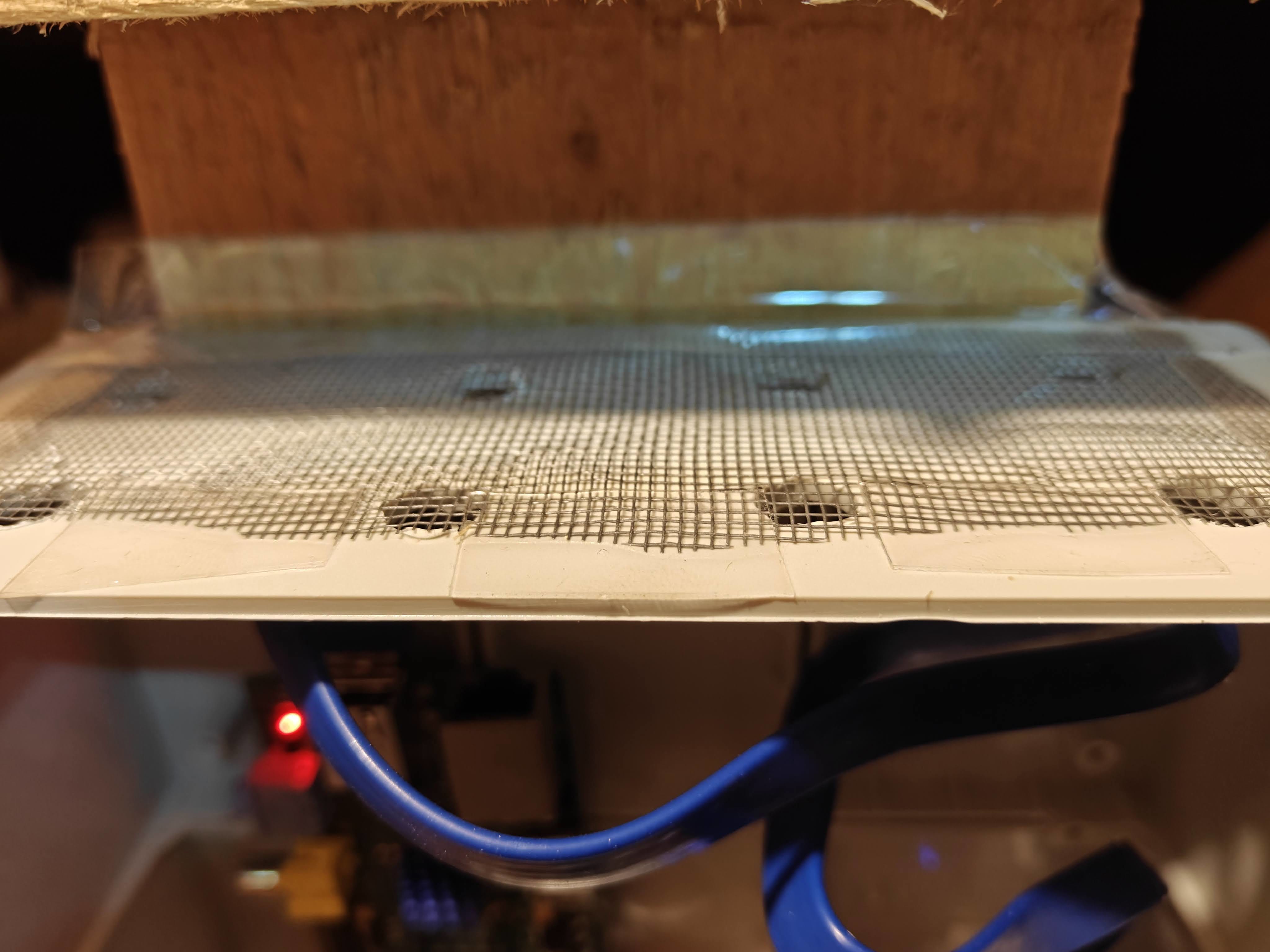
Thermal Engineering: The Pi needed to breathe without inhaling a lungful of insulation dust. I utilized the Chimney Effect. I drilled intake and exhaust ports in the enclosure to encourage passive vertical airflow.
The Filtration System: To stop the dust bunnies from shorting the GPIO pins, I fused mosquito screen mesh over every ventilation hole. It allows the heat to escape but keeps the hostile particles out.
Before the mission started, I had to assemble the rig.
The Brain: A decade-old Raspberry Pi 1 Model B. Single-core, slow, and stubborn.
The Ears: A generic RTL-SDR Stick (DVB-T Tuner) repurposed for 1090MHz.
The Backbone: A Powered USB Hub. The Pi 1’s USB ports are too weak to power the radio alone; this external lung keeps the system alive.
The Uplink: An ancient USB Wi-Fi Dongle. (No onboard Wi-Fi in the stone age of the Pi 1).
The Sensor: A stock magnetic mount antenna... that needed “modification.”
The stock antenna that came with the radio was tuned for watching TV, not tracking aircraft. It was “deaf” to the 1090MHz frequency I needed.I calculated the optimal 1/4 wavelength for ADS-B signals (~69mm). I grabbed a hand metal saw and performed radical field surgery, manually sawing the antenna tip off to the precise millimeter. It wasn’t pretty, but physics doesn’t care about aesthetics. It cares about resonance.
The bunker was ready. Now, I had to wake up the brain.
💀 Phase 2: The Digital Heart Attack
I booted the Raspberry Pi 1. Disaster.
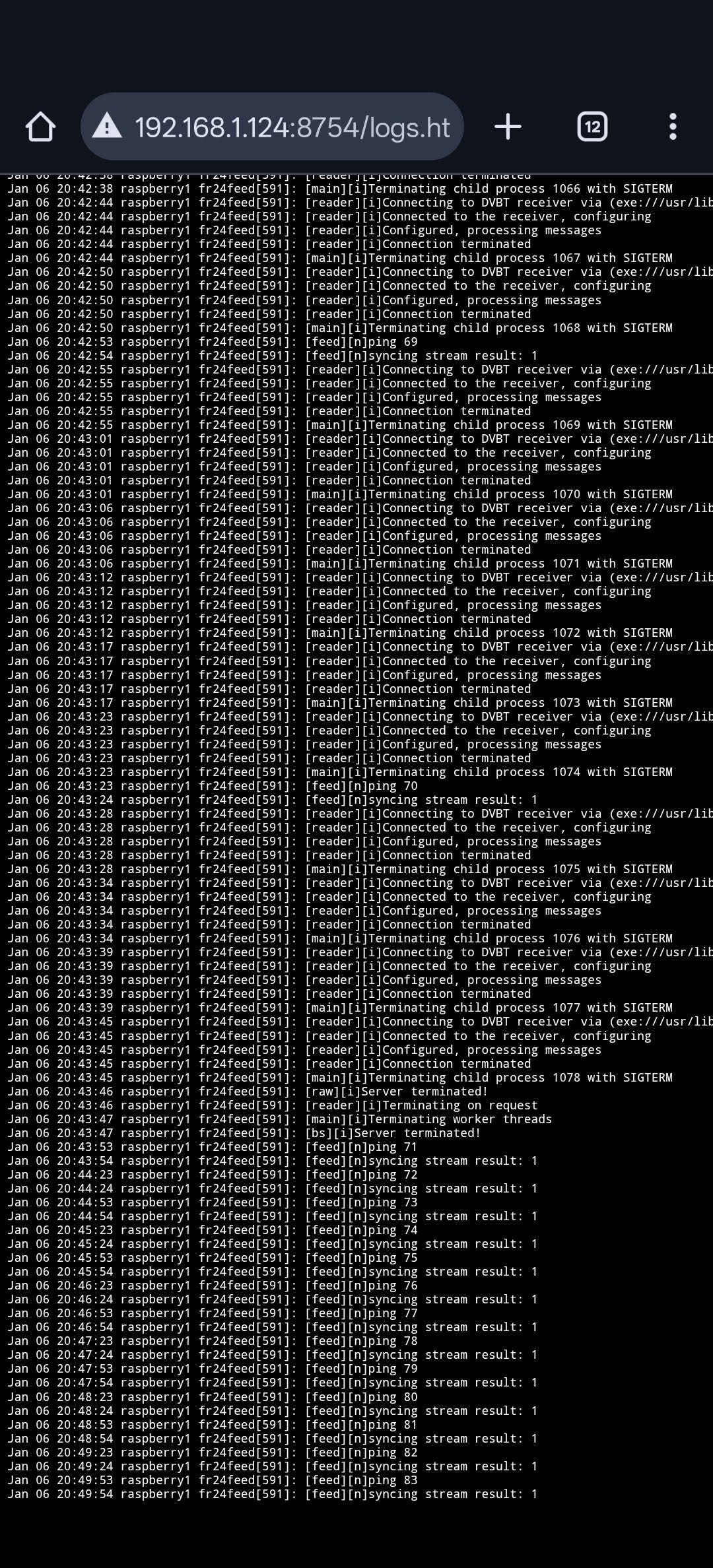
The logs were screaming. Terminating child process... Connection terminated. The crash loop was happening every 5 seconds. The ancient single-core processor was hyperventilating, trying to process MLAT (Multilateration) calculations meant for quad-core beasts.
The Software Triage: I had to perform emergency surgery on the config file. I stripped the OS to the bare metal:
MLAT: KILLED. (Too CPU intensive).
Raw Data Streams: SEVERED. (Save the USB bandwidth).
Result: The heartbeat stabilized. The Pi was running cool and steady. 🟢
📡 Phase 3: Breaching the Faraday Cage
The system was live, but the map was empty. Aircraft Tracked: 0.
The culprit? My roof insulation. It’s a metallic heat-mirror foil. Great for energy bills, but in the radio spectrum, it’s a Faraday Cage. I was effectively trying to listen to the world from inside a lead safe.
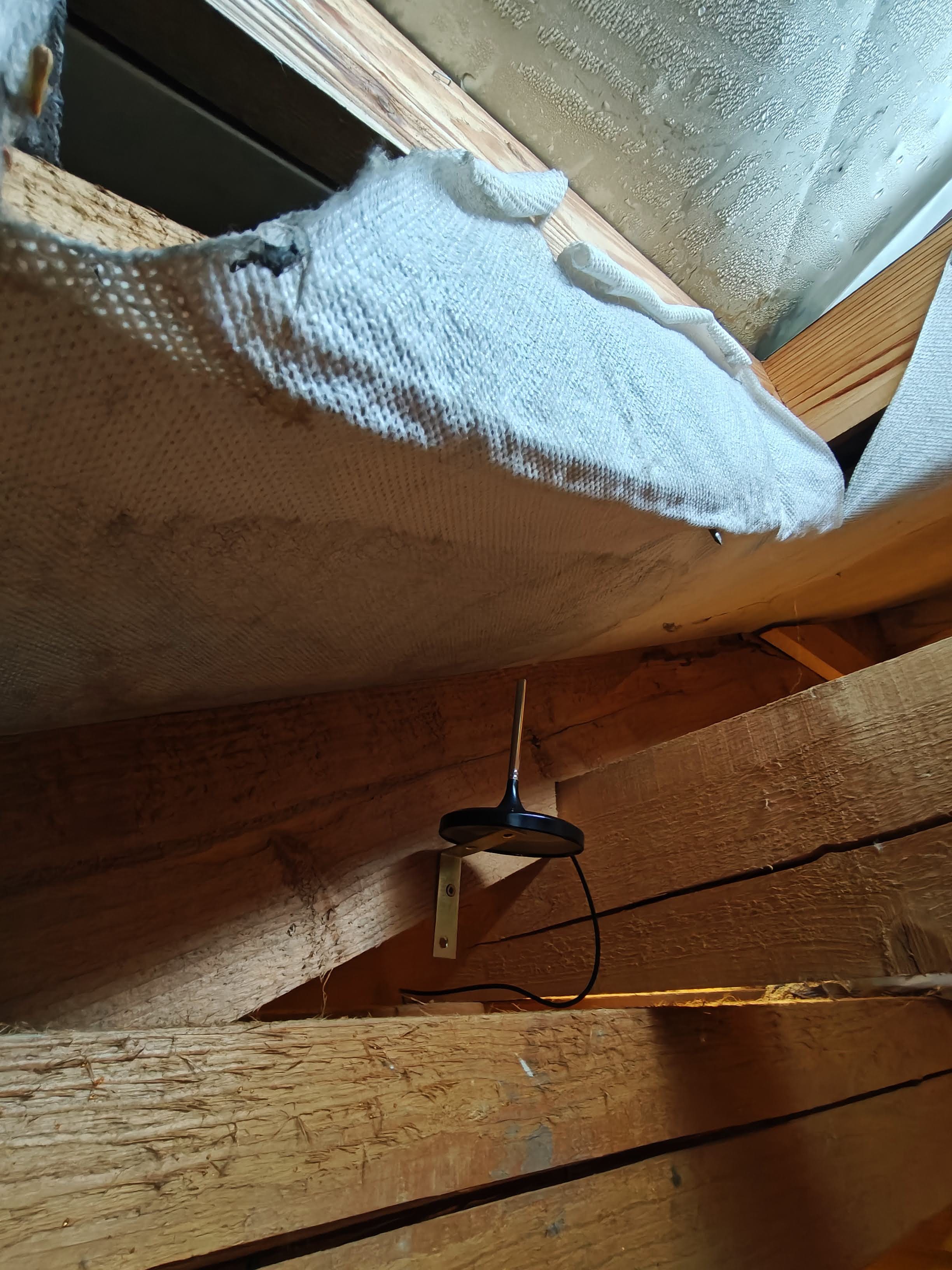
The Tactical Mount: I located a structural rafter running parallel to the window, safely outside the “Drip Zone.” I positioned the antenna tip to float exactly in the “RF Void”.
I connected the coaxial. I held my breath.
✈️ The Breakthrough: Contact
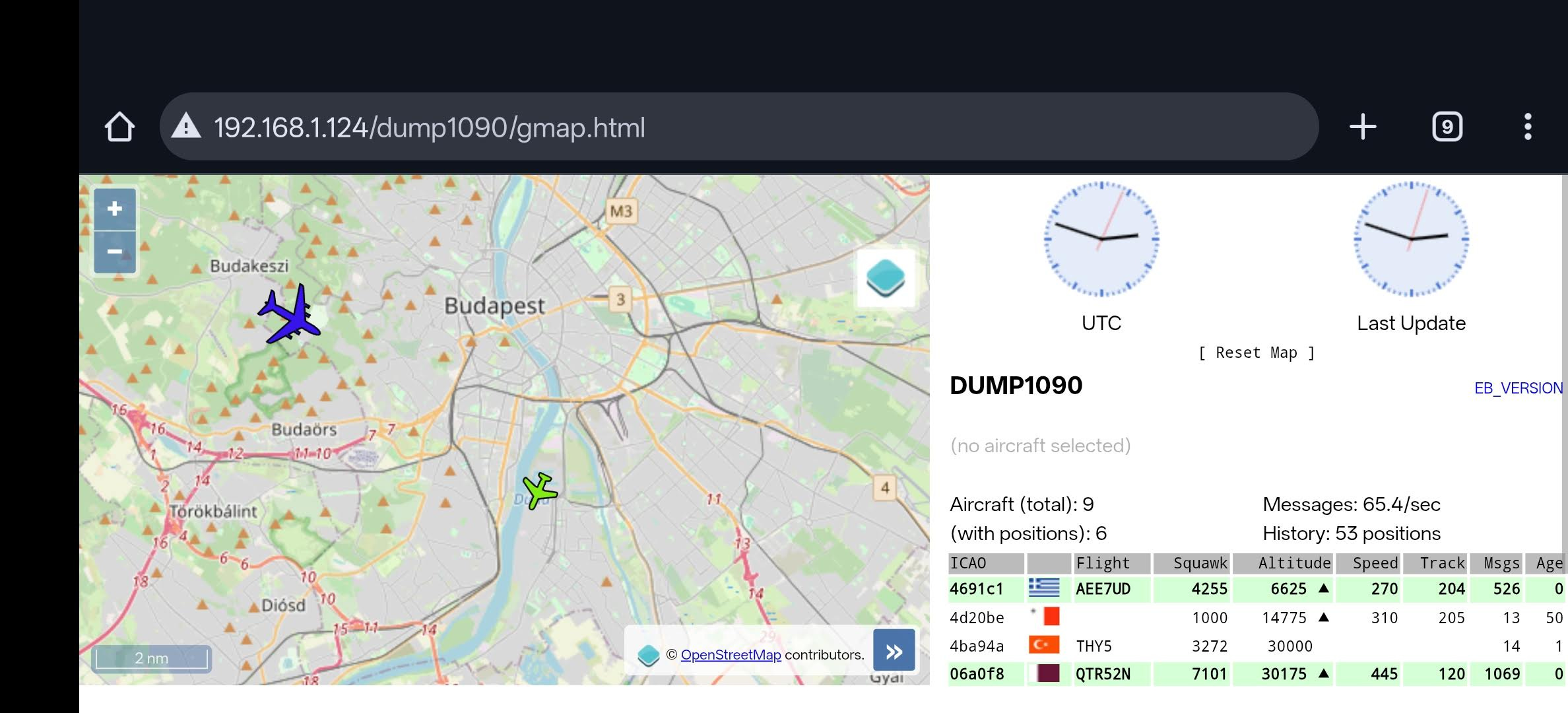
I refreshed the local feed. Boom. One plane. Then six. Then ten.
The signal was punching through the roof tiles, bouncing off the foil gap, and hitting my receiver loud and clear. From a “metal box” in a dusty attic, I was suddenly tracking trans-continental flights 70+ km away.

The Loot: Flightradar24 recognized the data stream and instantly upgraded me to the Business/Contributor Plan ($499/year value). 🏆
🛡 Phase 4: Immortality (The Golden Backup)
I wasn’t about to let a cheap SD card corruption kill this victory. I pulled the card and forged a “Golden Image” using Linux terminal sorcery:
Bash
# Clone the drive bit-by-bit
sudo dd if=/dev/sdb of=~/fr24_golden.img bs=4M status=progress

# Shrink the image to fit any future card
sudo ./pishrink.sh ~/fr24_golden.img
Now, if the hardware fails, I can restore the entire station in 300 seconds.

🏁 Mission Status
System: STABLE Environment: SEALED (IP56) Signal: STRONG Net Cost: NEGATIVE
While this ancient Pi 1 scans the skies, my secondary unit (a Raspberry Pi 3) is busy generating $60/year in passive income. This easily covers the electricity bill for the entire attic operation. The system pays for itself. I do not pay a coin for it.
The sky is no longer the limit. It’s just the data source. 📡✈️
