
Grounded
The Frozen Balaton That Got Away
There is something magical about Lake Balaton in the winter—especially when it freezes over. The textures of the ice, the stark white landscape, and the winter light make for the kind of aerial photography that drone pilots dream of.
Last weekend, that was exactly my plan. I packed up my gear, grabbed my trusty 2017 DJI Mavic Pro, and headed out, visualizing the shots I was about to get.

But the flight never happened.
When I pulled out the remote controller (Model GL200A), the screen was dark. I pressed the power button: nothing. It was completely dead. I was confused—I distinctly remembered charging it to 100% about six months ago before storing it. It turns out, this controller has a surprisingly high parasitic drain (leakage), and sitting on the shelf for half a year had drained it from full to absolute zero.
Interestingly, the drone's own "Intelligent Flight Batteries" do not have this issue.
Disappointed and grounded, I went home without a single photo. Had this deep discharge killed the battery? Lithium-polymer batteries hate sitting at 0%, and this is an older device from 2017.
I decided to run an experiment. I plugged it into a USB tester to monitor the charge cycle from 0% back to 100% to see if the battery still held its rated capacity.
The Specs vs. The Reality
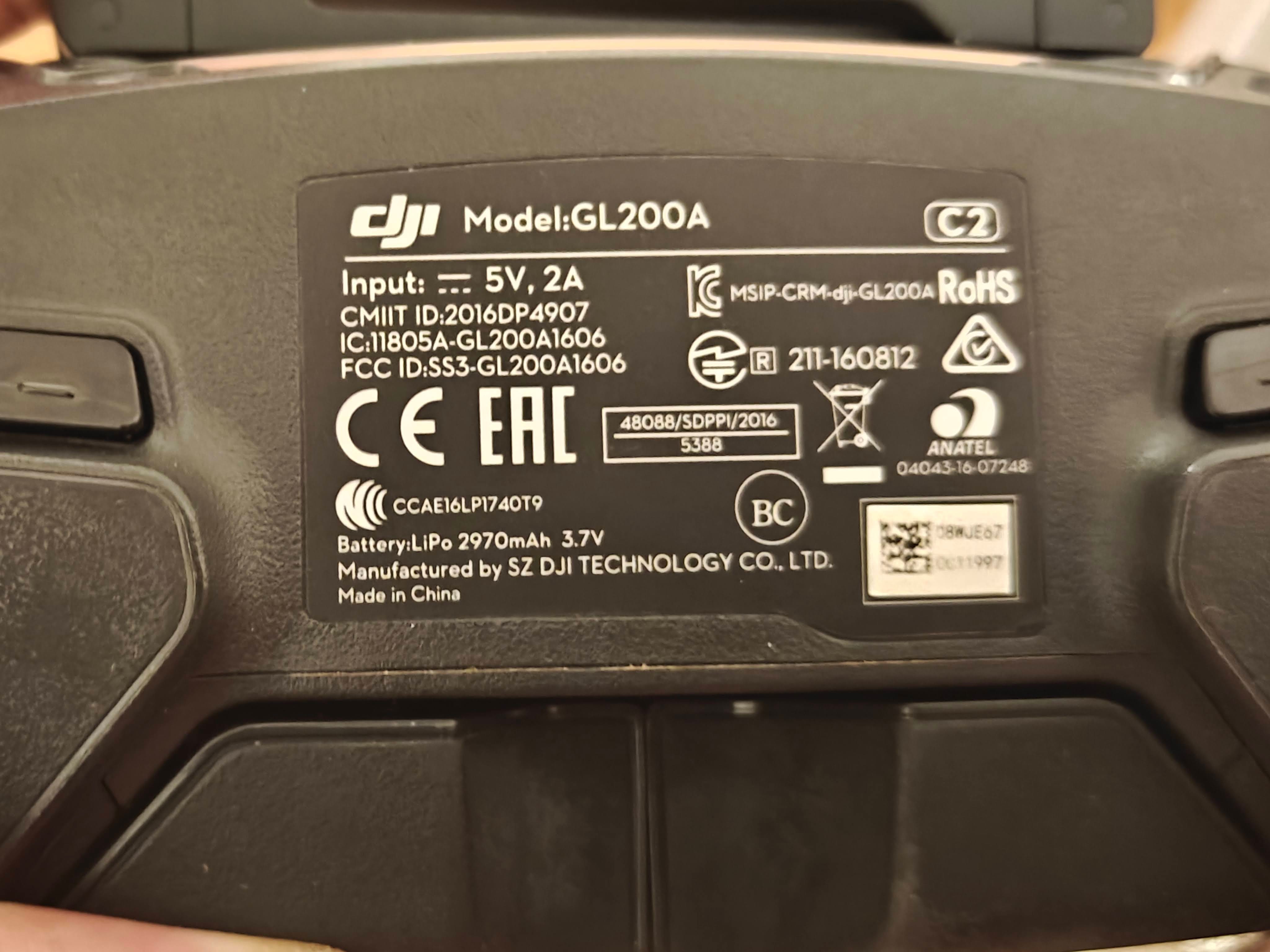
First, I checked the label on the back of the controller to see what I should expect.
Model: GL200A
Rated Battery: LiPo 2970mAh (3.7V)
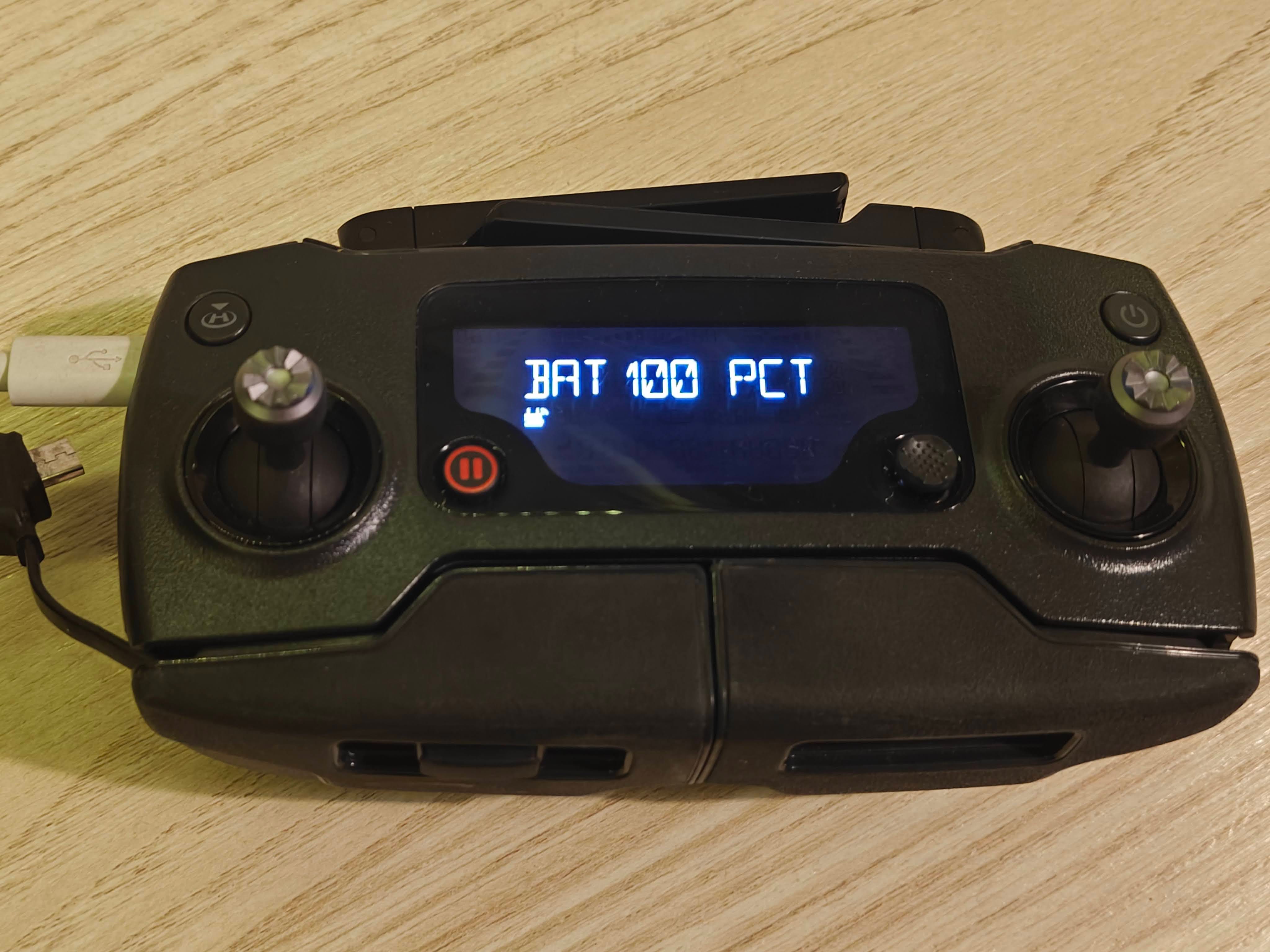
I let it charge for over 3.5 hours, watching the numbers climb on my USB tester. When the controller finally beeped and displayed that satisfying “BAT 100 PCT”, I looked at the final stats on the meter.
The Results
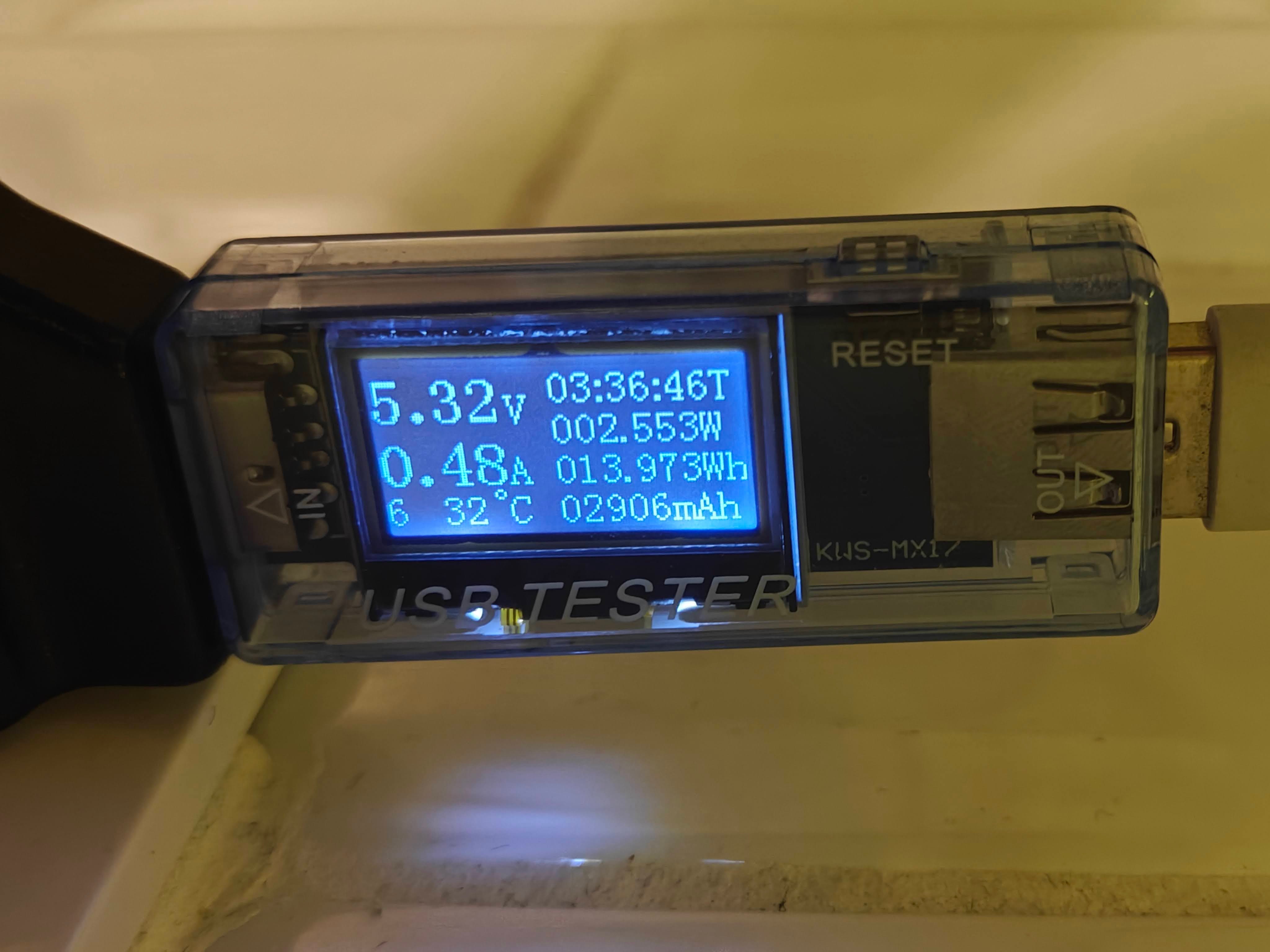
Here is what the KWS-MX17 tester reported after the full charge:
Charging Time: 03:36:46
Energy Input: 13.973 Wh
Capacity Input: 2,906 mAh
The Verdict
I was honestly surprised. The rated capacity of the internal battery is 2,970 mAh. The measured capacity pumped into the device was 2,906 mAh.
While USB metering isn’t a perfect 1:1 measurement of internal cell capacity (due to voltage conversion inefficiencies between the 5V USB input and the 3.7V battery), these numbers are incredibly close. The fact that the controller accepted nearly 14 Wh of energy to fill a battery rated for roughly 11 Wh (2.97Ah x 3.7V) suggests the cells are taking a full, deep charge.
Despite the age of the drone and the harsh drainage, the battery health seems remarkably solid. It retained nearly all of its effective charging capacity.
Lesson learned: The 2017 Mavic Pro is still OK, but that controller needs a maintenance charge every few months. The Balaton ice will have to wait for next time, but at least I know my gear is ready to fly.