
beszel.dev
Monitor your System Resources like a boss!
In a previous post we have already discovered UptimeRobot for website monitoring.
This time I am going to write about System Resource monitoring. This time this was recommended to me by a colleague instead of an AI :)
Previously I was using my SSH Clients performance monitor which looked like this (no historical data):
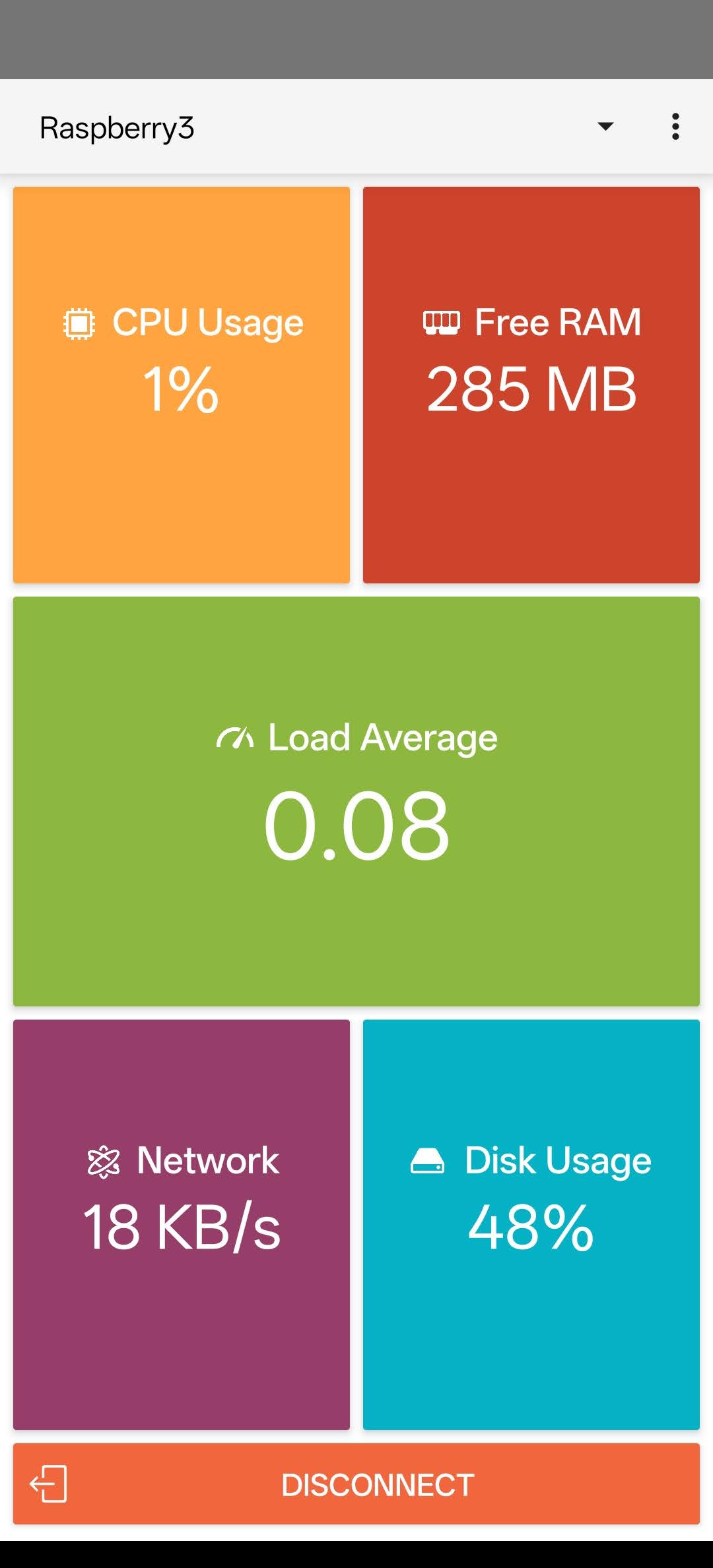
So I installed beszel.dev. As always, I am accessing it via home VPN. We do not let anything out on the web.
After connecting the agent with the GUI, this dashboards welcomes you:
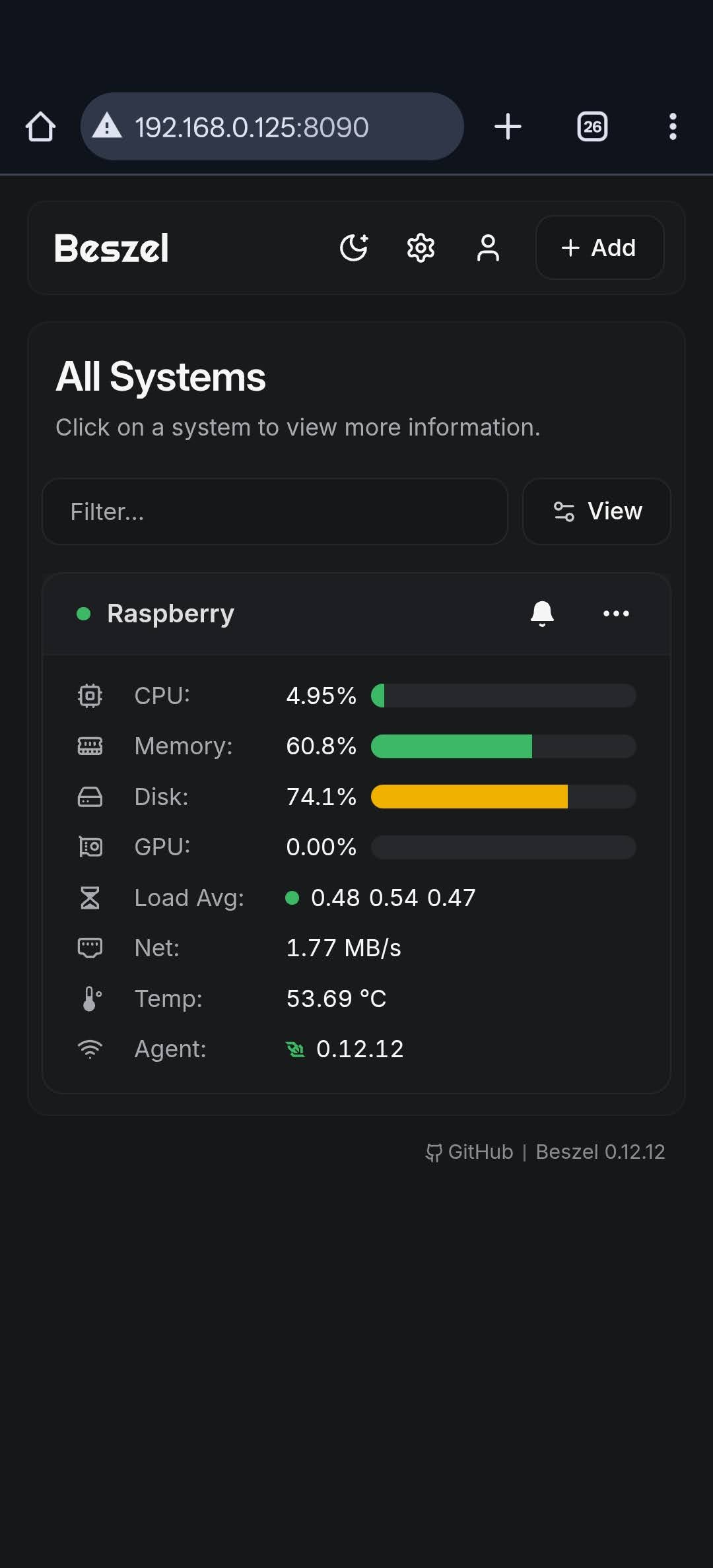
Details can be opened by one click. In this example I triggered a download process for demonstration purpose only:

With Android’s multi-window feature I get a ton of information from system usage of media server, VPN connections, etc… In case of problems I can now exclude resource as possible root-cause. This is already impressive, but now the alerts will come:
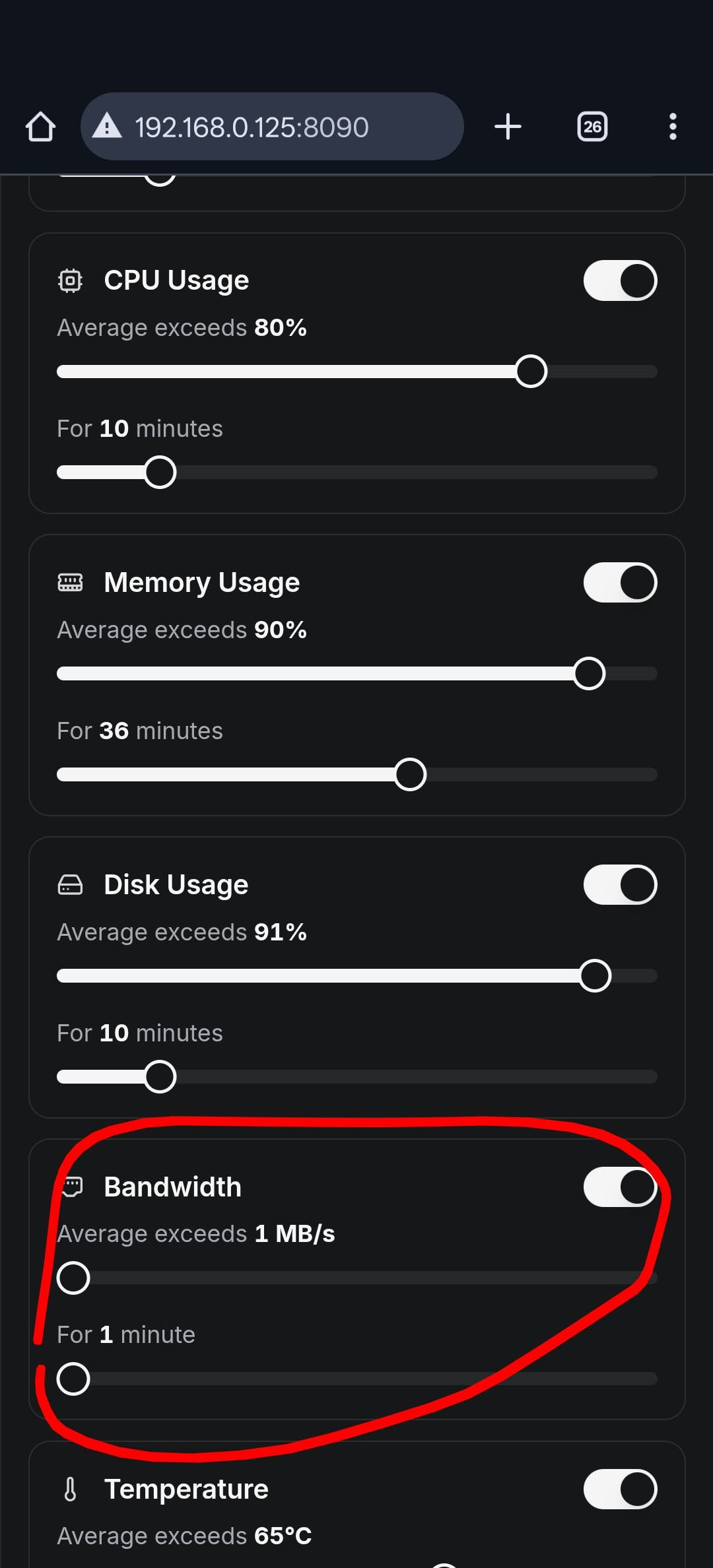
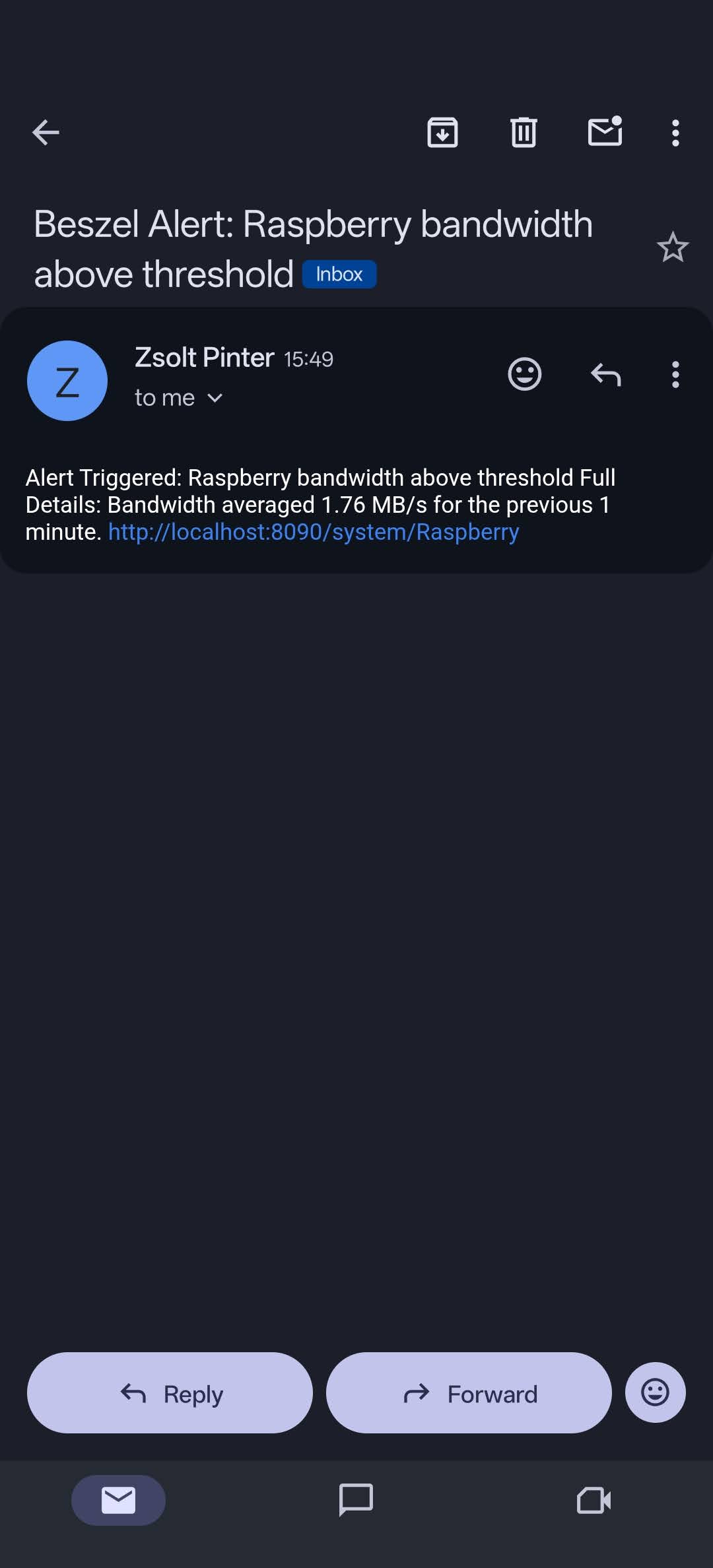
Again, for demonstration I set a Bandwidth alert. I do not use Discord or Telegram for notifications, so my target was Google chat. It turned out that beszel.dev is using Webhooks and only Google Workspace users can use that. I decided let’s choose free email to receive alerts. Similar to IM messages, I receive it instantly across multiple devices, and I also can delete if needed instantly from the notification bar, and easy to set filters ETC… I tried IFTTT first, but Webhooks (surprise) is a paid service.
Then Gemini 2.5 flash recommended Make.com which handles Webhooks for free. I set it up with Gmail, but I hit the “Workspace” barrier once more. Luckily I also have a Microsoft email account, and Microsoft is not restricting this email sending operation.
So Make.com is receiving the alert via Webhooks and will forward the details to Outlook which is sending the alert to my primary Gmail account. For free. It looks like this:
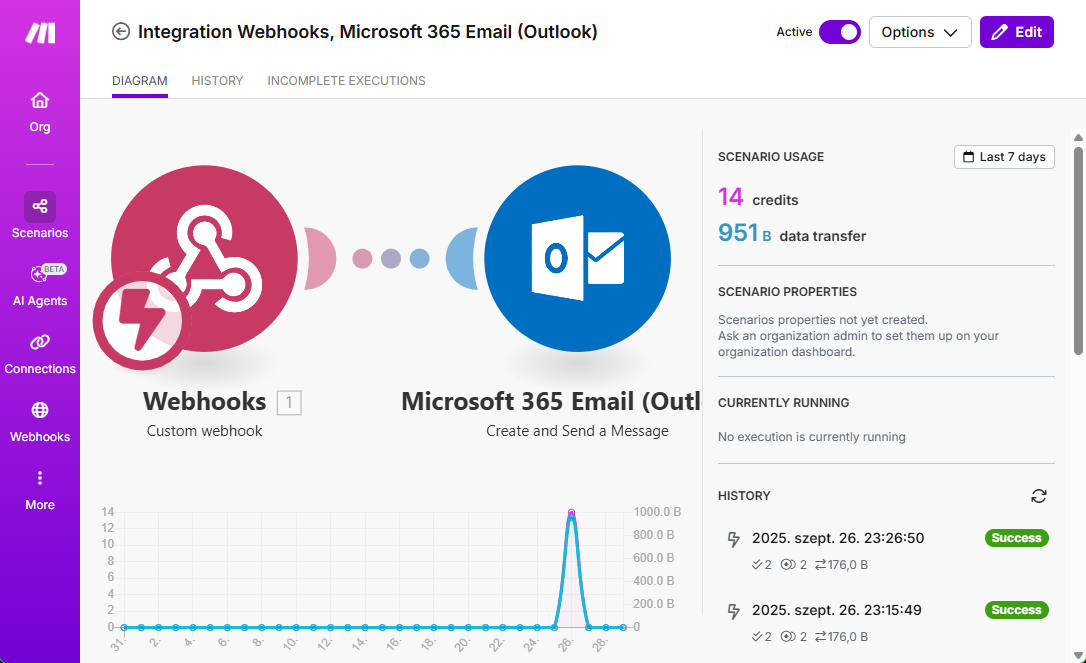
It works!
Advanced stuff is incoming:
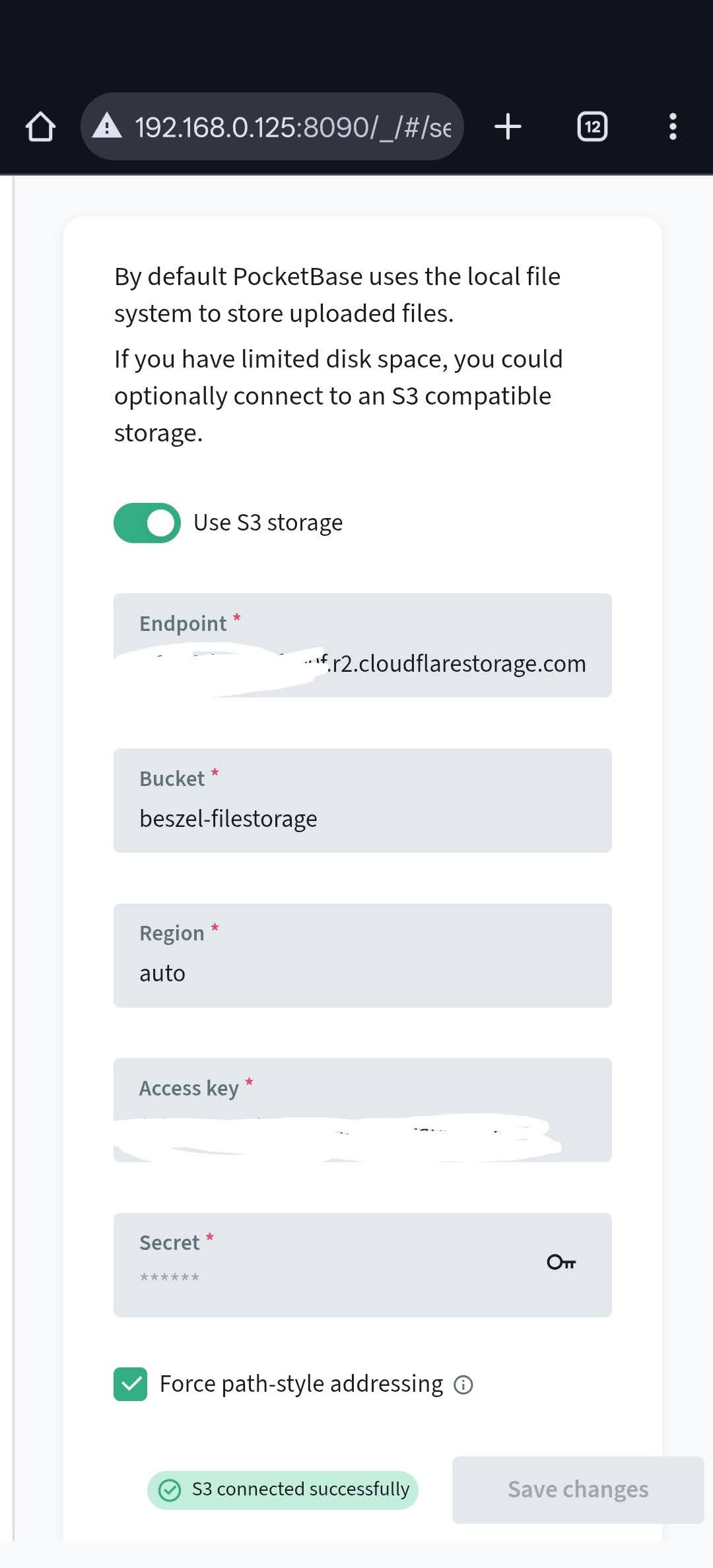
It is possible to connect to S3 compatible storage to store files! I am not a cloud engineer, so Gemini 2.5 flash explained it to me:
The S3 in Amazon S3 stands for Simple Storage Service.
Amazon S3 is a massively scalable, highly available, and durable object storage service launched by Amazon Web Services (AWS). It stores data as objects (files and associated metadata) within buckets (containers for objects). Because it was the first widely adopted cloud object storage solution, its API has become the industry standard for this type of storage.
Luckily, this is also free on my Cloudflare dashboard’s (free plan).
There’s more! It is super easy to set up cron job for backups to S3 compatible storage, too. 0 4 * * * means every day at 4 am.
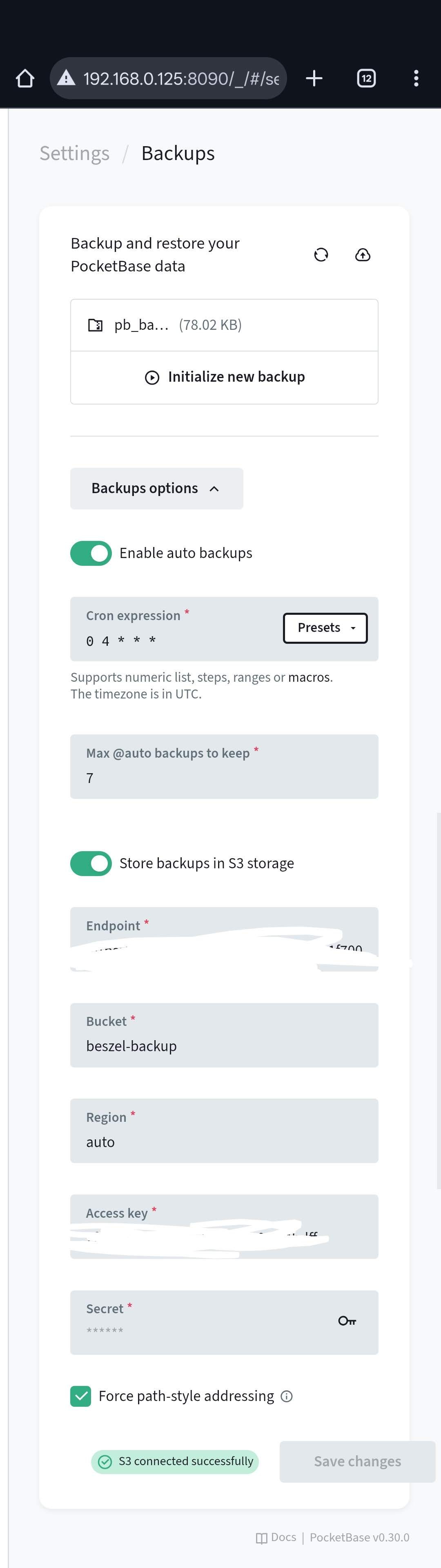
Let’s test it and hit that initialize backup button!
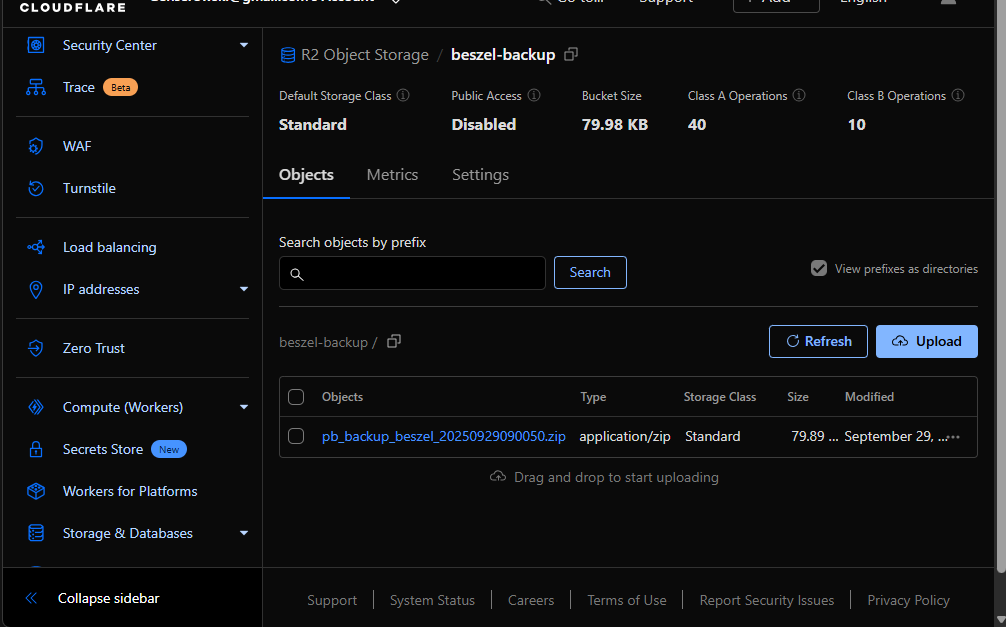
Until now I did not know I can have an S3 compatible storage to experiment with - for free!